Clear, Open Property Is Safer, Easier to Use, and Simpler to Maintain
Overgrown plants can make a yard or lot hard to use and harder to protect. The main benefits of land clearing for managing overgrown vegetation are better access, fewer pests, lower fire risk, improved drainage, and more usable space. It also helps you spot hidden problems early, like dead trees, weak ground, or trash buried under thick growth. For property owners in East Wenatchee, WA, clearing dense brush and weeds can make routine upkeep much easier.
Why Prevention Matters
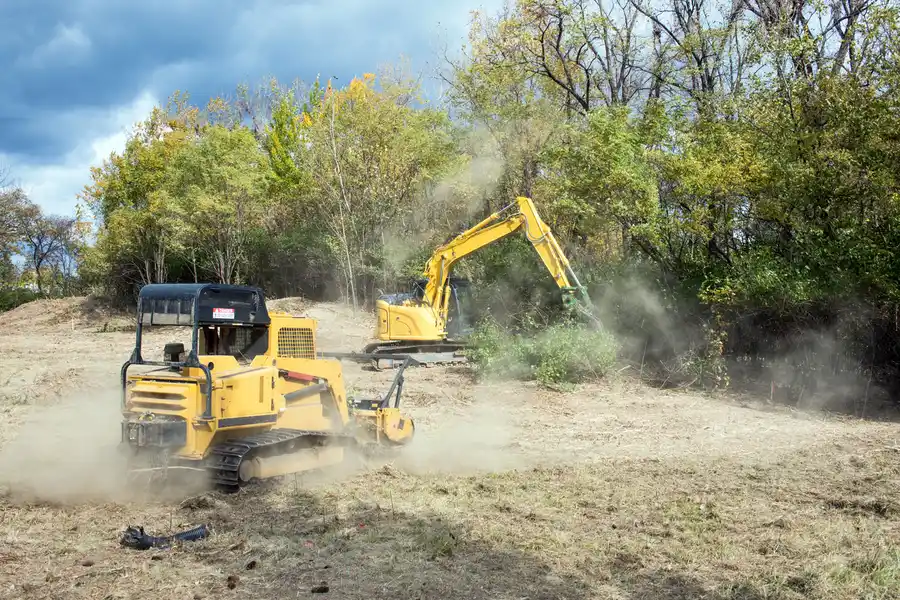
Thick grass, brush, and vines do not stay small for long. Once plants spread, they can take over fence lines, paths, driveways, and open areas. That can lead to blocked views, trip hazards, and damage to nearby trees or structures. land clearing helps stop these issues before they become bigger jobs. It gives your property a clean starting point and makes regular care much easier.
Another big benefit is safety. Overgrown vegetation can hide stumps, holes, rocks, and fallen limbs. It can also give rodents, snakes, and insects a place to stay. When growth gets close to a home, barn, or shed, it may also raise the risk of fire in dry periods. Removing excess growth lowers these risks and makes the space easier to inspect.
Early Warning Signs
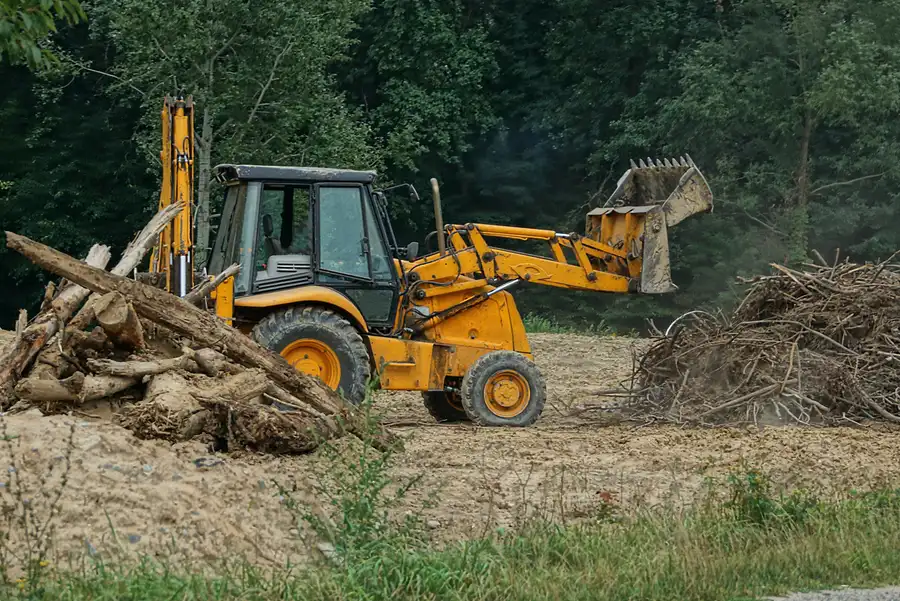
You can often tell when a property is getting out of hand. Fast action can save time and money later. Watch for these signs:
- Grass or weeds taller than your knees
- Vines growing over fences, signs, or small trees
- Brush blocking paths or drive areas
- Standing water after rain
- Dead limbs mixed into live growth
- More bugs or animal activity than usual
- Areas you cannot walk through safely
If you notice several of these at once, the area may need more than basic mowing. In many cases, land clearing is the best way to reset the site and make it manageable again.
Seasonal or Routine Checklist
Regular checks can keep a small problem from turning into a large cleanup. A simple routine helps you stay ahead of fast-growing vegetation.
- Walk the property every few weeks.
- Look for new brush, saplings, and vine spread.
- Check around buildings, fences, and ditches.
- Remove dead limbs and fallen debris.
- Cut back growth along paths and entry points.
- Watch for drainage problems after storms.
- Schedule brush removal before growth becomes too dense.
This process works well for homes, large lots, and undeveloped land. It also supports better upkeep for any service category keyword tied to outdoor property care, even when the work goes beyond simple trimming.
Best Practices for Long-Term Results
Good results do not come from cutting everything once and walking away. The best plan is to clear what is overgrown, remove debris, and then keep the area maintained. That may include mowing, selective brush removal, trimming tree lines, or adding ground cover in open soil areas.
It also helps to clear with a purpose. For example, if you want better drainage, the work should open blocked channels and remove root-heavy growth from key spots. If your goal is safer access, focus on trails, fence lines, and areas near buildings first. If you want to improve property value or prepare for a project, a more complete site cleanup may make sense.
Another smart step is removing invasive plants before they spread further. Some species grow back fast and choke out healthier vegetation. A planned clearing job can help protect the plants and trees you want to keep while removing the ones causing trouble.
What Not to Do
Some property owners try to solve overgrowth with quick fixes that create bigger problems. One common mistake is cutting only the top layer and leaving thick roots, stumps, or tangled brush behind. That often leads to fast regrowth. Another issue is clearing too much at once without a plan for erosion or drainage.
You should also avoid working in heavy overgrowth without checking for hazards. Hidden wire, old fencing, holes, unstable trees, and animal nests can all be present. Using the wrong tools can damage the soil, healthy trees, or nearby structures. Burning brush without checking local rules is another risky move.
land clearing should improve the property, not leave it rougher than before. A careful approach matters, especially on larger lots or land with slopes, wooded edges, or wet areas.
When to Schedule Professional Help
Some small areas can be managed with routine yard work. But dense vegetation often needs more than hand tools or a mower. Professional help may be the right choice when brush is thick, access is poor, or the site has safety concerns. This is also true if the land has many saplings, heavy vine growth, storm debris, or hidden obstacles.
A trained crew can handle clearing in a more complete way. That may include brush cutting, debris removal, stump handling, and site cleanup. It can also help when you are preparing for fencing, grading, a new driveway, or another outdoor project. Hiring help early can keep the job smaller and easier to control.
If your property has been neglected for a long time, professional land clearing can save many hours of hard labor and reduce the chance of injury. It can also lead to a cleaner finish that is easier to maintain over time.
Get Help With Overgrown Property
If you have overgrown areas in East Wenatchee, WA, we can help you make the space safer and easier to use. At Sky Hawk Excavation, we handle clearing work with care and a clear plan. Call us at (509) 470-0707 to talk about your property and set up the next step.