Clear Facts for Planning a Strong, Long-Lasting Wall
Many people ask the same things before starting retaining wall construction: how long it takes, what material works best, whether drainage matters, and when permits are needed. The short answer is that a good wall needs smart planning, the right base, proper water control, and the right height for the site. In East Wenatchee, WA, soil, slope, and rain can all affect how well a wall holds up over time.
Quick Answer
Retaining wall construction is more than stacking blocks or pouring concrete. A retaining wall must hold back soil pressure and move water away from the wall. If either part is missed, the wall may lean, crack, or fail early. Most common questions come down to four things: site prep, drainage, materials, and safety. If those are handled well, the wall has a much better chance of lasting for years.
What You Need Before Starting
Before any digging starts, it helps to know the wall’s job. Some walls are small and decorative. Others hold back a steep slope near a driveway, patio, or home. The height, length, and soil type all matter. So does water flow after rain.
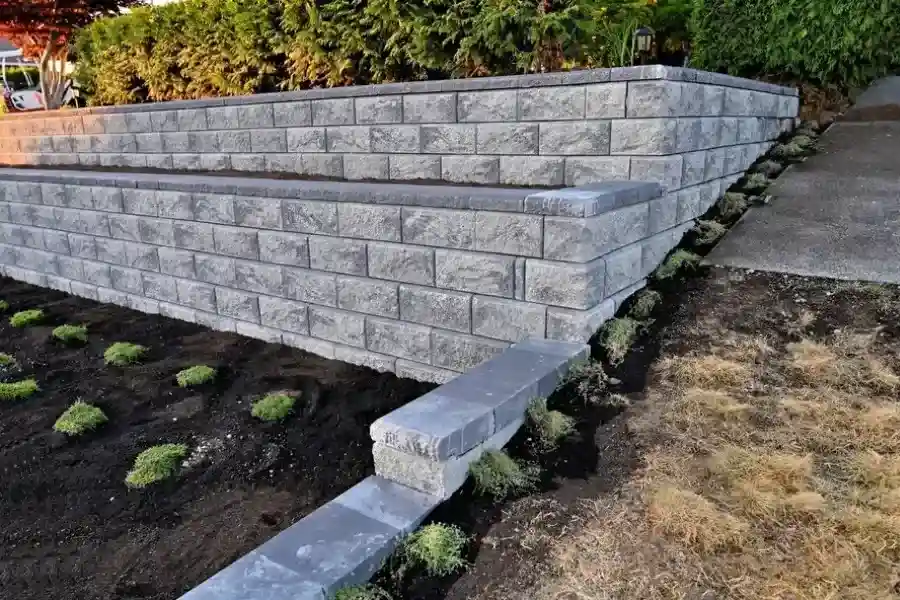
You also need to check local rules. Some walls need permits or an engineer’s plan, especially if the wall is tall. Utility lines should be marked before excavation. This is also the time to pick the material. Common choices include concrete block, poured concrete, natural stone, and treated timber. Even if the service category keyword is blank here, the project still falls under site and landscape work that needs careful planning.
- Wall height and length
- Slope of the yard
- Type of soil
- Drainage path
- Material choice
- Permit needs
- Access for tools and equipment
Step-by-Step Process
Most retaining wall construction follows the same basic order. The exact details change by material and site, but the core steps stay similar.
- Mark the wall layout and measure the slope.
- Call for utility locating before digging.
- Excavate for the base trench.
- Add and compact base stone.
- Set the first course level and straight.
- Build the wall course by course.
- Add drainage stone behind the wall.
- Install drain pipe if needed.
- Backfill in lifts and compact each layer.
- Finish the top and clean the site.
The first row is one of the most important parts. If the base is not level, the wall above it can shift. Good drainage behind the wall is just as important. Water pressure pushes hard on a wall. A drain pipe and clean stone help reduce that pressure.
Common Mistakes to Avoid
A lot of wall problems start with simple mistakes. One common issue is using too little base material. Another is skipping compaction. Loose soil can settle later and pull the wall out of line. Some people also make the mistake of backfilling with heavy wet clay instead of clean drain stone.
Another mistake is building too tall without added support. Taller walls may need geogrid, extra base depth, or engineering. Poor drainage is one of the biggest reasons walls fail. A wall can look great at first and still have a short life if water has nowhere to go.
- Not digging deep enough for the base
- Starting with an uneven first course
- Skipping drainage stone or pipe
- Using the wrong backfill
- Ignoring slope pressure
- Building without permit checks
When to Call a Professional
Some retaining wall construction projects are fine for a handy homeowner, especially small garden walls. But larger walls are different. If the wall is tall, near a house, near a driveway, or close to a property line, trained help is often the safer choice. The same is true if the yard has a steep grade or drainage issues.
You may also want a professional if the old wall is already bulging or leaning. That can point to pressure problems below the surface. A pro can check the base, soil, and water flow before rebuilding. This saves time and helps avoid repeat work.
Final Recommendation
If you are planning retaining wall construction, start with the basics: know the wall’s purpose, prepare a solid base, and give water a clear path away from the wall. Ask questions early about permits, soil, and material options. A well-built wall should do more than look nice. It should stay stable through weather, runoff, and changing ground conditions.
Get Help With Your Next Wall Project
For property owners in East Wenatchee, WA, we can help explain the next steps and what your site may need. At Sky Hawk Excavation, we build retaining walls with careful planning and solid drainage in mind. Call us at (509) 470-0707 if you’d like us to take a look and talk through your options.