Why the Final Surface Treatment Helps Concrete Last Longer
Concrete finishing improves surface durability by making the slab denser, smoother, and better able to handle wear. A well-finished surface helps resist cracks, chips, water intrusion, and early surface damage. In places like East Wenatchee, WA, this matters even more because daily use, weather changes, and moisture can wear down weak concrete faster. When the surface is finished the right way, the concrete has a better chance of staying strong and looking good for years.
What You Need Before Starting
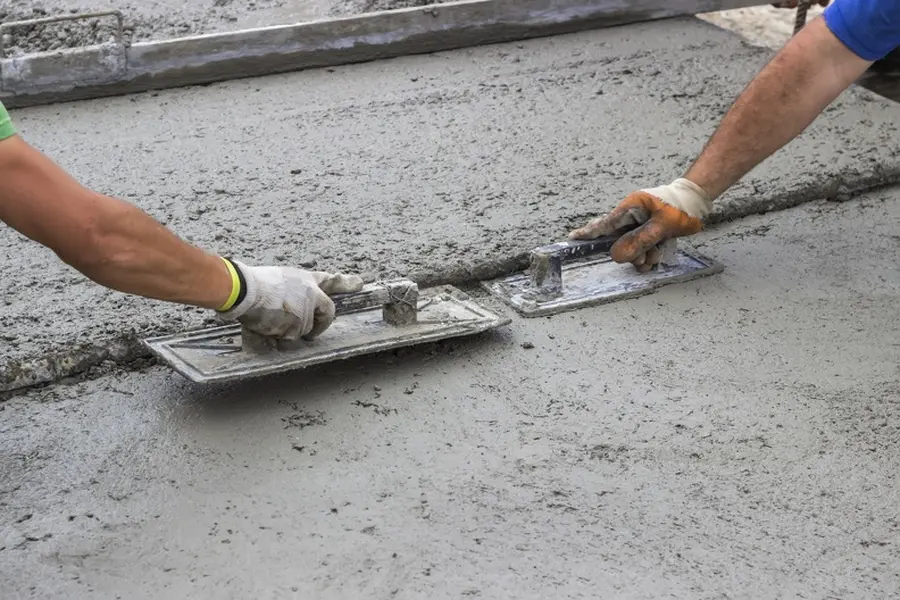
Before any concrete finishing begins, the slab needs the right prep work. Fresh concrete must be placed at the right depth and spread evenly. The crew also needs the right timing. If the surface is worked too soon, water can get trapped near the top. If it is worked too late, the surface may not smooth out well. Good results depend on the mix, weather, jobsite conditions, and the intended use of the slab.
Basic tools often include floats, trowels, edgers, grooves, and brooms. The service category keyword may be blank here, but the work still fits within broader concrete and surface improvement services. For driveways, patios, sidewalks, and floors, the goal is the same: build a surface that can handle traffic, moisture, and time.
Step-by-Step Process
The finishing process is not just about looks. Each step affects how strong the top layer becomes. When done with care, concrete finishing helps limit weak spots that wear out early.
- Place and level the fresh concrete so the slab has an even base.
- Let excess surface water leave before working the top.
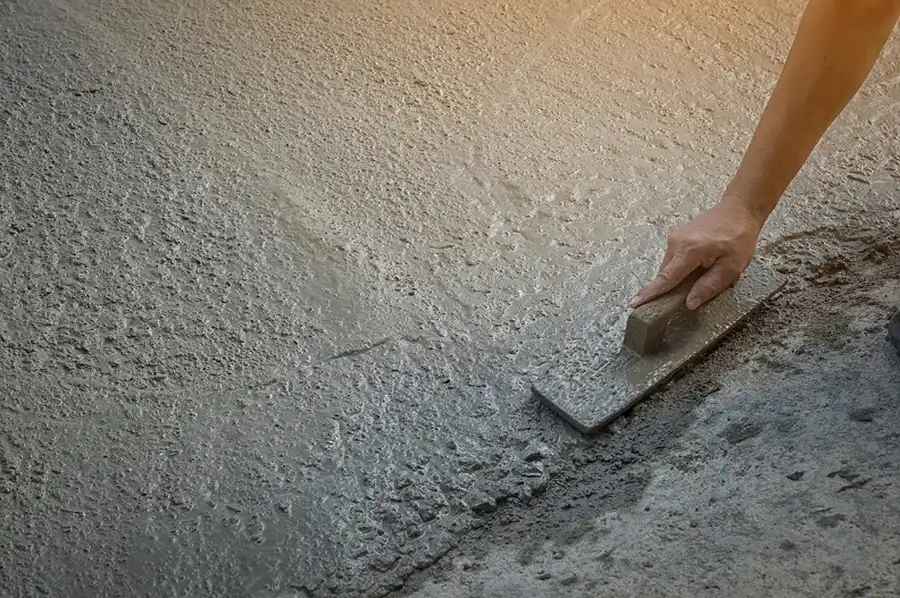
- Use a float to smooth and compact the surface.
- Cut edges and joints to help control cracking.
- Apply the final texture, such as a trowel finish or broom finish.
- Start curing the slab so moisture leaves at a steady rate.
Each part of this process helps with durability. Floating pushes larger aggregate down and brings paste to the top in a controlled way. Joint cutting helps direct shrinkage cracks to planned lines. A broom finish can improve traction while still giving solid weather resistance. Curing may be the most overlooked step, but it plays a big role in long-term slab strength.
Common Mistakes to Avoid
Many surface problems start during finishing. One common mistake is adding extra water to the top of fresh concrete. This may seem like an easy way to make the slab easier to work with, but it weakens the surface. That soft top layer can dust, flake, or pit sooner than expected.
Another problem is finishing too early. When bleed water is still on the surface, tools can seal that water into the slab. Later, that trapped moisture may lead to scaling or peeling. Overworking the slab is also a problem. Too much troweling can create a dense skin that may not perform well outdoors, especially where freeze and thaw cycles happen.
- Do not add water to the surface during finishing.
- Do not rush the timing.
- Do not skip control joints.
- Do not ignore curing after the finish is done.
- Do not use the same finish for every slab use.
When to Call a Professional
Some small concrete projects may look simple, but durable results take skill. A professional should handle jobs where drainage, slope, heavy loads, decorative work, or large slab areas are involved. Commercial walkways, garage floors, pool decks, and driveways all need the right finish for their use. A surface that looks smooth on day one can still fail early if the finish was not matched to the job.
Professional crews also know how weather affects timing. Hot sun, wind, and cool damp air can all change how fast concrete sets. That changes when the surface should be floated, edged, textured, and cured. Good crews watch these details closely because durability starts with careful decisions during the short finishing window.
Why the Right Finish Matters Over Time
A strong slab is more than a thick pour. The top layer takes the most abuse from foot traffic, tires, tools, furniture, rain, and sun. If that top layer is weak, damage often starts there. concrete finishing helps create a tighter, harder wearing surface that stands up better under daily use.
For example, a driveway with a proper broom finish can offer better grip and stronger surface performance than a poorly finished slick surface. A shop floor with a clean trowel finish may be easier to maintain and less likely to wear unevenly. On patios and sidewalks, good finishing can also help water move off the slab instead of pooling in low spots.
Durability also connects to appearance. When the surface stays intact, it is less likely to show dusting, shallow chipping, or rough worn patches. That means fewer repairs and a longer service life. Good finishing does not stop all concrete cracks or future wear, but it can lower the chance of early surface failure.
Final Recommendation
If you want concrete that lasts, do not treat finishing as a last small step. It is one of the main parts of the job. The right timing, tools, texture, and curing method all help protect the slab surface. In East Wenatchee, WA, local weather and site use should guide the finish choice. At Sky Hawk Excavation, we help property owners choose durable surface options and apply them with care. If you want help with a new slab or an aging surface, call us at (509) 470-0707 to talk about the next step.