Proper Site Work Gives the Wall a Stable Base and Better Drainage
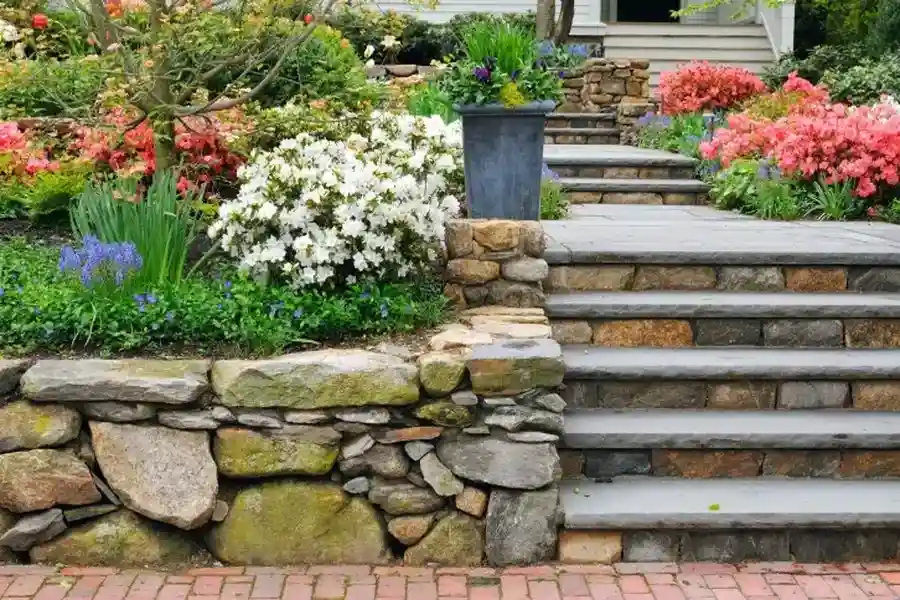
Excavation supports retaining wall construction by shaping the site, removing weak soil, setting the right wall line, and making room for drainage. Without good digging and grading, a wall can lean, crack, or hold too much water. In many projects, the work below ground matters just as much as the wall you see above ground. A well-planned excavation helps the wall last longer and perform better.
Quick Answer
Retaining wall construction depends on excavation because the wall needs a solid base. The soil must be cut back to the right depth and width. Loose material should be removed. The area also needs space for gravel, drainage pipe, and proper backfill. If the site is not prepared the right way, the wall may settle or fail early.
What You Need Before Starting
Before any digging begins, it helps to know the slope, soil type, and water flow on the property. Clay soil acts differently than sandy soil. A steep hill brings more pressure than a small grade change. You also need a layout plan for the wall height, length, and base width. This is where site prep ties into the service category keyword, even if the main focus is excavation and wall support.
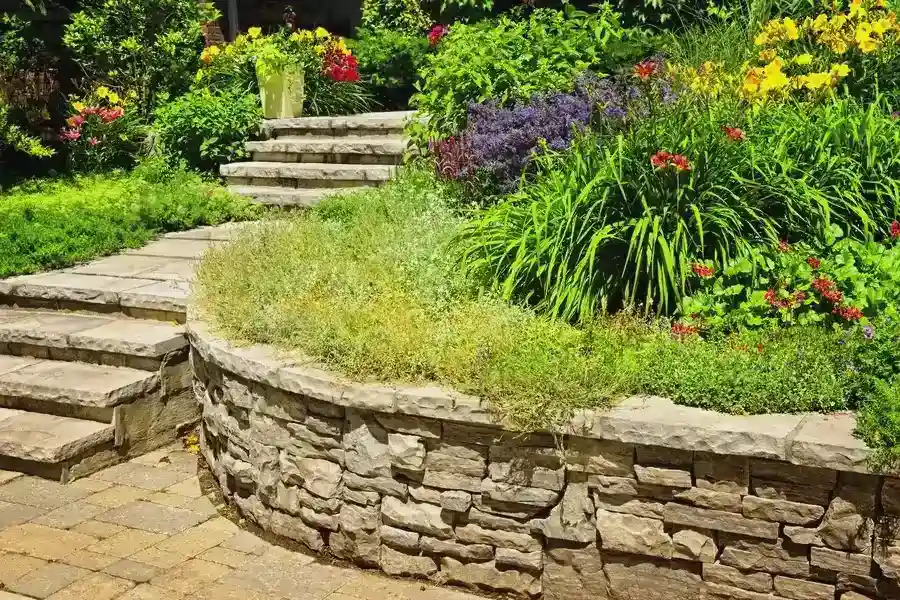
It also helps to check for utility lines and property limits. In some cases, permits may be needed. If heavy rain runs toward the wall area, that should be handled in the plan too. Good prep can prevent delays and reduce surprise problems once work starts.
Step-by-Step Process
Most retaining wall construction projects follow a basic sequence. The details can change based on the wall type and site conditions, but the main steps stay similar.
- Mark the wall path and measure the needed height and length.
- Excavate the slope and remove unstable or soft soil.
- Dig a trench for the wall base at the right depth.
- Level and compact the base area.
- Add base material, often crushed stone, and compact it.
- Set drainage features like gravel and pipe behind the wall.
- Build the wall in courses while checking level and alignment.
- Backfill in layers and compact as the wall goes up.
- Grade the surface so water moves away from the wall.
Each step supports the next one. If the trench is uneven, the wall can start out crooked. If the backfill is poor, the wall may shift later. If the grading traps water, the pressure behind the wall can grow fast after storms.
Common Mistakes to Avoid
One common mistake is not digging deep enough for the base. A shallow base can lead to movement. Another problem is leaving loose soil under the first row. That can create settling and low spots. Some people also skip drainage stone or pipe, which allows water to build up behind the wall.
Another issue is excavating too narrow a space. The crew needs room for wall materials, drainage stone, and compaction. Tight work areas can lead to rushed steps or weak backfill. Poor grading at the top of the wall is also a frequent problem. Rainwater should move away, not pour down behind the wall.
- Do not build on soft or wet soil.
- Do not skip compaction between backfill layers.
- Do not ignore runoff from roofs or driveways.
- Do not guess the wall line without careful layout.
- Do not leave drainage out of the design.
When to Call a Professional
Small garden walls may seem easy, but many wall failures start with hidden soil or drainage issues. A taller wall, a steep slope, or a site with lots of water usually needs skilled planning and equipment. If the area is hard to reach, close to a driveway, or near a structure, proper excavation becomes even more important.
You may also want help if the ground has old fill, roots, buried debris, or signs of erosion. These conditions affect how the base should be prepared. A crew with excavation experience can spot risks before the first block or timber goes in place. That can save time, money, and stress later.
Final Recommendation
Retaining wall construction works best when excavation is treated as a key part of the job, not just the first step. Digging shapes the wall footprint, supports the base, and creates room for drainage and backfill. When the site is prepared with care, the wall has a better chance to stay straight, strong, and long-lasting. If you are planning a wall on a slope or dealing with drainage concerns, getting the ground work right is one of the smartest moves you can make.
Get Help With Your Project
If you are planning work in East Wenatchee, WA, we can help you review the site and explain the best next steps. Our team at Sky Hawk Excavation handles the ground work needed for strong, lasting results. Call us at (509) 470-0707 if you would like to talk through your project and set up a time to get started.