The Ground Under Your Yard Can Change the Whole Plan
Soil plays a big part in septic tank installation because it controls how water drains, how stable the tank stays, and how well the drain field works over time. If the soil drains too fast, waste water may move too quickly. If it drains too slowly, the system can back up. In places like East Wenatchee, WA, soil testing helps show what type of system fits the property and what changes may be needed before work begins.
What You Need Before Starting
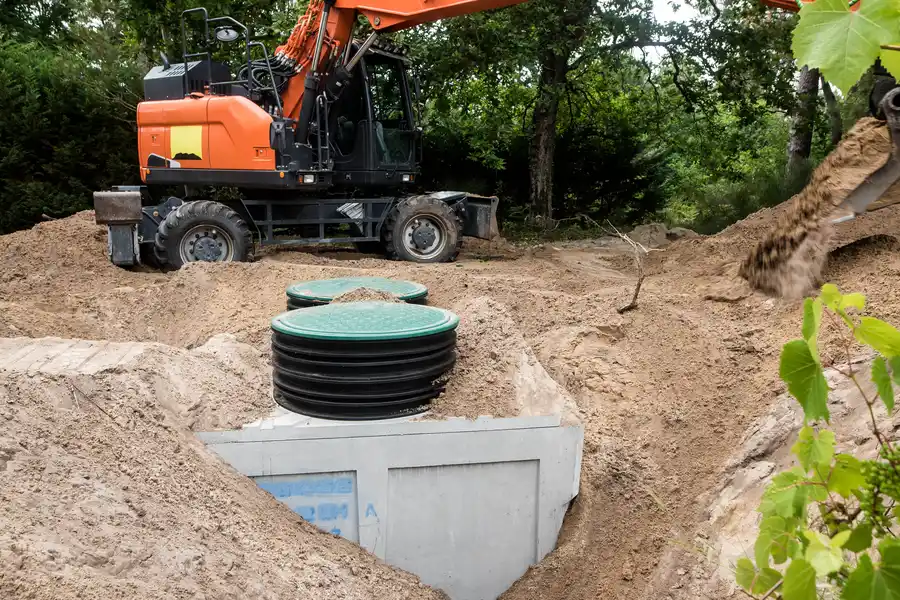
Before any septic tank installation starts, the site needs a close review. The tank, pipes, and drain field all depend on the ground below them. A yard may look flat and dry on top, but the soil under it can tell a very different story. Some lots have sandy soil. Others have heavy clay, rocky layers, or a high water table. Each one can change the system design.
It also helps to check local codes, lot size, slope, and space between the system and nearby wells, homes, or property lines. This is where service category planning matters, since the full job is not just about placing a tank in the ground. It is about matching the system to real site conditions.
Step-by-Step Process
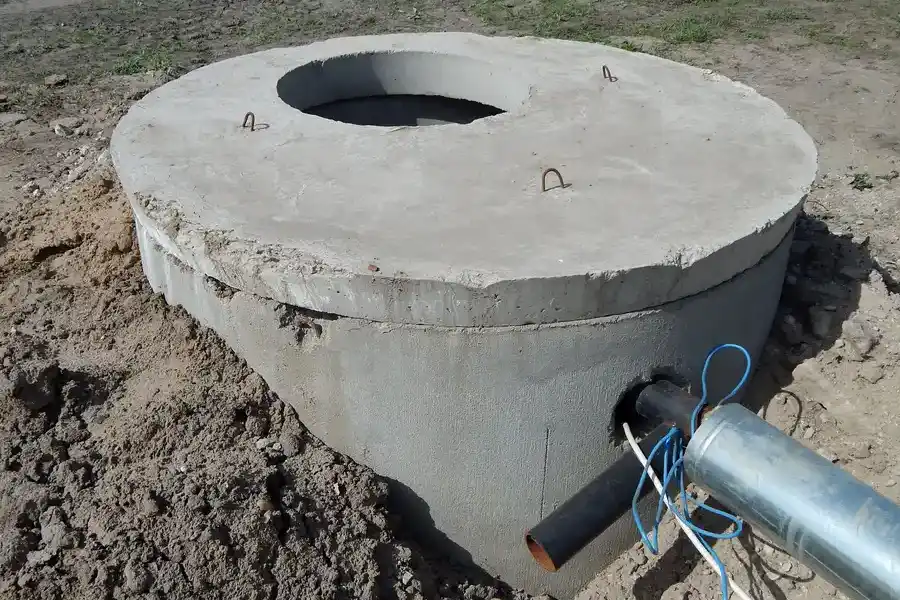
A proper septic tank installation usually follows a clear process. Soil conditions affect nearly every step.
- Test the soil. A soil test shows how fast water moves through the ground.
- Check the water table. Wet ground too close to the surface can limit options.
- Review the slope. Steep yards may need a different layout or extra grading.
- Choose the right system type. Some soils work with a standard drain field, while others need added treatment.
- Plan tank depth and location. Rocky or shallow soil may change where the tank can go.
- Prepare the site. This can include digging, leveling, and removing poor soil.
- Install the tank and lines. The crew places each part based on the approved plan.
- Test final flow. Water movement and drainage are checked before the job is complete.
For example, sandy soil often drains fast. That may sound good, but very fast drainage can move waste water before the soil has time to filter it well. Clay soil has the opposite issue. It holds water and drains slowly, which can raise the risk of pooling and backups. Loam is often easier to work with because it drains at a more balanced rate.
Common Mistakes to Avoid
One common mistake is judging the yard by surface appearance alone. Dry grass does not always mean good drainage. Another mistake is skipping a real soil test to save time. That can lead to a system that fails early or needs costly changes later.
People also run into trouble when they place a drain field in compacted soil. Heavy trucks, old building pads, and years of traffic can squeeze the soil tight. When that happens, water does not move as it should. Digging in wet weather can make this even worse.
- Do not assume all parts of the yard have the same soil.
- Do not place the system too close to trees with large roots.
- Do not ignore seasonal wet spots.
- Do not guess on tank size or drain field length.
When Soil Type Changes the Design
Different soil types can lead to very different septic tank installation plans. Clay-heavy lots may need a larger drain field because water spreads more slowly. Rocky ground may limit digging depth and force layout changes. Areas with shallow soil over bedrock often need special systems because there is not enough natural filtering depth.
High groundwater is another big factor. If water sits too close to the surface, waste water has less room to move through soil safely. In those cases, raised systems or other engineered options may be used. This is one reason two homes on nearby lots can need very different setups, even if they are the same size.
Soil conditions also affect long-term performance. A system placed in poor soil may seem fine at first, then show trouble after heavy rain or during a wet season. Slow drains, soggy areas, and odors can all point back to site conditions that were not handled well at the start.
When to Call a Professional
It is smart to call a professional before buying land, before replacing an old system, or before starting any major septic tank installation project. A trained crew can read soil reports, spot drainage issues, and explain what type of system fits the site. This helps avoid wasted money and failed inspections.
You should also get help if the lot has any of these issues:
- Standing water after rain
- Very rocky ground
- Steep slopes
- Known clay soil
- A high water table
- Past septic problems on the property
Good planning up front can help the system last longer and work better. The goal is not just to install equipment. The goal is to build a setup that matches the land.
Get Clear Answers Before the Work Begins
If you are planning work in East Wenatchee, WA, we can help review the site and explain what the soil may mean for the project. Contact Sky Hawk Excavation to talk through your options and schedule the next step. Call (509) 470-0707 and let us help you choose a system that fits the property and supports solid long-term results.