
How Grading Helps a New System Work the Right Way
Proper grading is a big part of septic tank installation. The land around the system should guide water away, not toward it. Good slope helps protect the drain field, lowers the chance of standing water, and supports better system life. If the site is too flat or sloped the wrong way, extra water can soak the area and cause trouble later. For homes in East Wenatchee, WA, soil, rain, and lot shape can all affect how well a new septic system works.
What You Need Before Starting
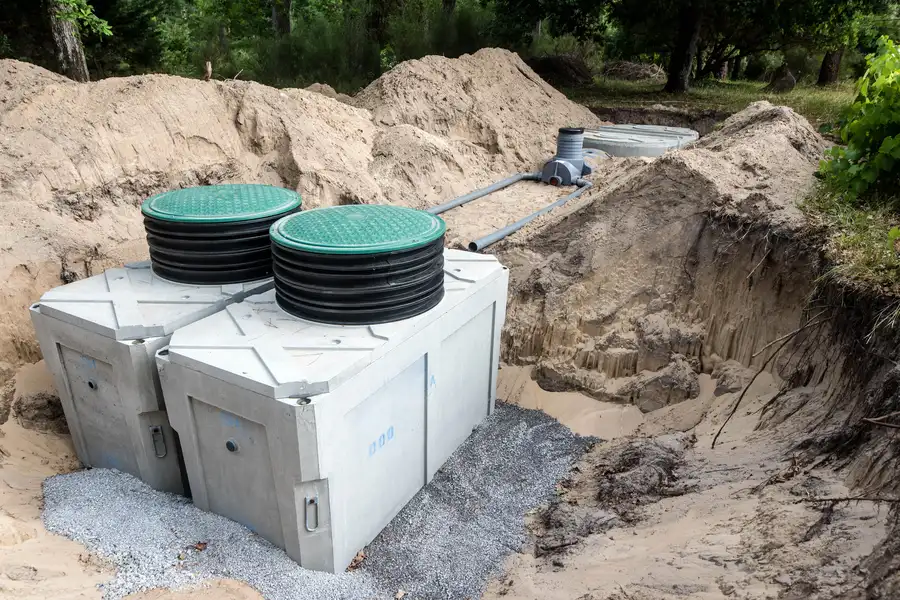
Before any septic tank installation begins, the site needs a careful review. This is not just about where the tank fits. It is also about how water moves across the yard. A contractor should check the soil, the natural slope, the drain field area, and local permit rules. The blank service category keyword can also relate to the wider service work tied to site prep, drainage planning, and safe placement.
A few key items matter before work starts. The tank location must allow good access and safe setbacks from the house, wells, and property lines. The drain field needs soil that can handle wastewater the right way. The yard should also have enough space for grading without pushing stormwater into the system area.
Step-by-Step Process
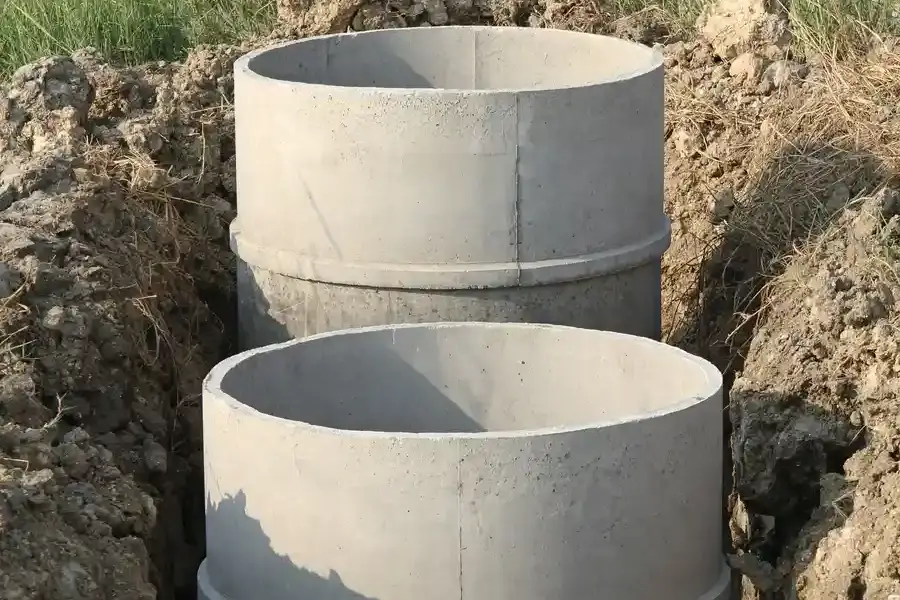
A solid plan helps septic tank installation go smoother and helps grading support the system instead of hurting it.
- Inspect the lot and test the soil. This shows where the system can go and how water drains.
- Mark the tank and drain field areas. This helps avoid poor placement.
- Review local codes and permits. Setback rules and soil limits matter.
- Strip and prepare the site. Heavy debris, roots, and unstable soil may need removal.
- Shape the ground for drainage. The grade should move surface water away from the tank and field.
- Install the tank at the right depth. Pipe slope must support steady flow from the home.
- Build the drain field in approved soil. This area should not collect runoff.
- Backfill with care. Poor backfill can shift later and change the grade.
- Check final drainage paths. Rainwater should move away from the system after the job is done.
Each step affects the next one. If grading is skipped or rushed, even a well-built septic system can struggle. That is why the yard surface matters almost as much as the tank itself.
Common Mistakes to Avoid
One common mistake is placing the drain field in a low spot. Low areas collect runoff after rain. That added water can oversaturate the soil. Another mistake is making the yard too flat. Water may sit near the tank or lines instead of draining away.
Some property owners also add fill dirt without a plan. Extra soil can change how water moves and may trap moisture over the system. Driving heavy machines over the future drain field is another problem. Compacted soil does not absorb wastewater as well.
It also helps to avoid these grading errors:
- Sloping water toward the tank
- Letting roof runoff drain over the field
- Creating dips where puddles can form
- Planting large trees too close to the system
- Building patios or sheds over system parts
Small grading issues can turn into bigger repair needs later. A site should guide both wastewater and stormwater in the right directions.
When to Call a Professional
Some parts of septic tank installation are not good DIY projects. Soil testing, design, excavation depth, pipe slope, and final grading all need skill and planning. A professional should also help if your yard has a steep slope, clay-heavy soil, frequent wet spots, or limited space.
If the property has past drainage issues, expert help matters even more. Water coming off a driveway, roof, or hill can affect the system. A trained crew can spot these patterns before the tank goes in. That can help prevent sewage backup, soggy grass, and early system damage.
Local permit rules are another reason to get help. Many areas require inspections, drawings, and approved setbacks. A licensed team can keep the work aligned with those rules and lower the chance of expensive do-overs.
Final Recommendation
Good septic tank installation is about more than putting a tank in the ground. The shape of the land, the path of rainwater, and the condition of the soil all play a part. A system on well-graded land has a better chance of lasting longer and working well through changing weather. Property owners should think about the whole site, not just the tank location.
If you are planning a new system, ask how the grade will affect the tank and drain field before work begins. That simple question can help you avoid poor drainage, standing water, and system stress. A little planning at the start can save a lot of trouble later.
Get Help With Your Next Steps
We help property owners in East Wenatchee, WA plan septic tank installation with careful grading and practical site prep. At Sky Hawk Excavation, we can review your layout, explain the work, and help you make sense of the next step. Call us at (509) 470-0707 if you want a clear, helpful conversation about your property.